
Purchase on account vs. Klarna vs. TWINT Pay later: BNPL comparison for Swiss online shops
Buy Now Pay Later (BNPL) is not a new concept in Switzerland — the classic purchase on invoice has been the most popular payment method for decades. What is new is that digital BNPL providers such as Klarna, TWINT Pay later, CembraPay and POWERPAY completely assume the credit check and default risk for Comerciantes. This guide compares the available BNPL models in Switzerland by fees, risk assumption, conversion impact and target group fit.
Published:
Last updated (content):
Last updated (prices):
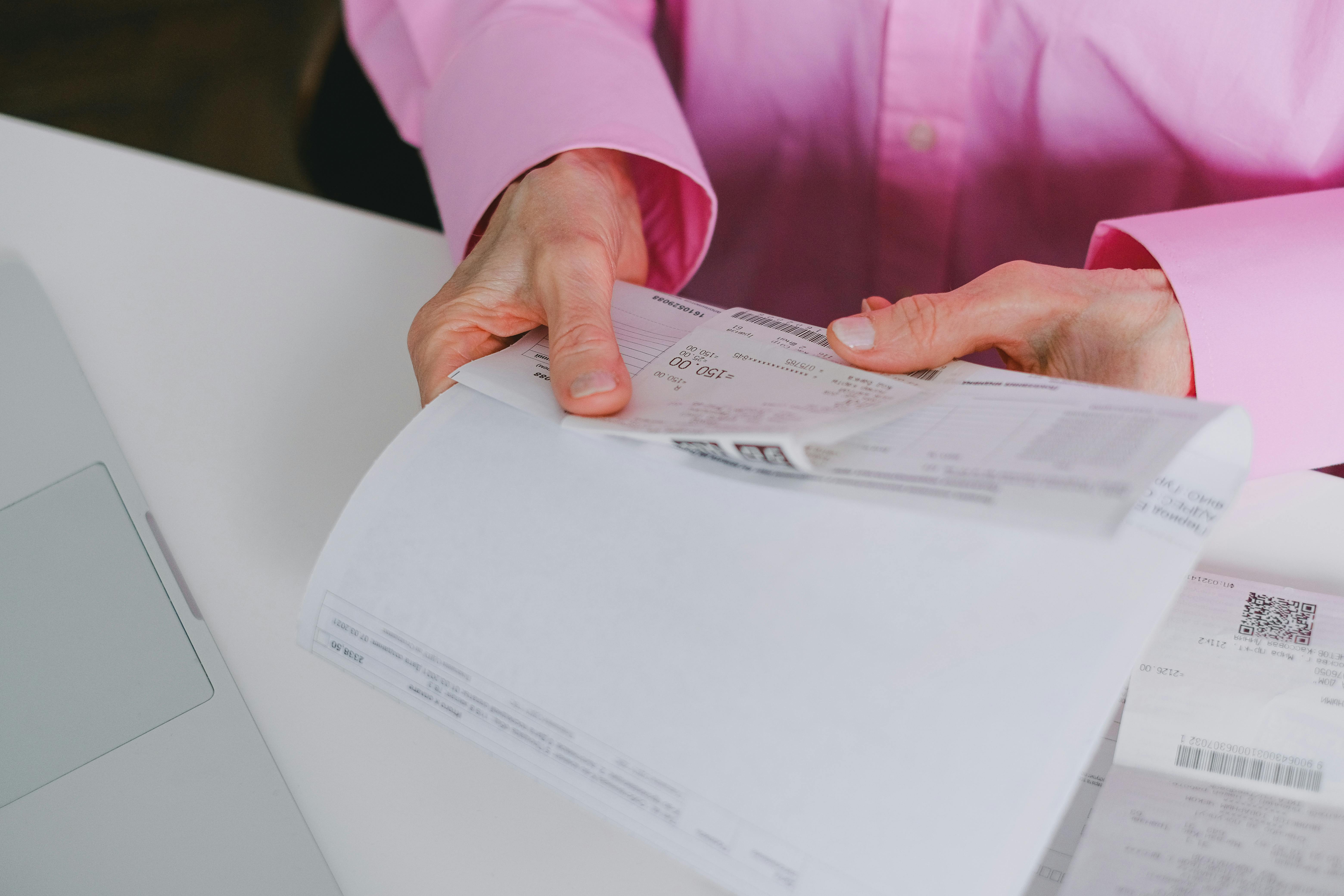
Buy Now Pay Later (BNPL) is not a new concept in Switzerland — traditional purchase on invoice has been the most popular payment method for decades. What is new is that digital BNPL providers such as Klarna, TWINT Pay Later, CembraPay, and POWERPAY fully assume the credit check and default risk for Comerciante:innen. This guide compares the available BNPL models in Switzerland by fees, risk assumption, conversion impact, and target audience fit.
This guide shows you how BNPL providers differ in the Swiss market, what they cost, and which combination makes the most sense for your shop.
1. What “Buy Now, Pay Later” means in Switzerland — and which variants exist
BNPL refers to any payment method where buyers receive goods or services immediately and pay the purchase amount only later — typically within 14 to 30 days or in instalments. The BNPL market in Switzerland is growing strongly: a volume of around USD 2.89 billion is expected for 2026.
In Switzerland, there are three basic BNPL models:
Purchase on invoice with risk assumption: The buyer receives an invoice with a 14- or 30-day payment period. The BNPL provider assumes the credit check and default risk. Examples: Klarna (Invoice), CembraPay, POWERPAY, Ideal Payment.
Instalment payments: The purchase amount is split into several partial amounts, typically 3, 6, or 12 instalments. Often interest-free for buyers. Examples: Klarna (Instalments), CembraPay.
Pay later via wallet: The buyer uses an existing wallet app and selects the “Pay later” option. Example: TWINT Pay Later (operated by Swissbilling).
2. Classic purchase on invoice with risk assumption: CembraPay, POWERPAY, Ideal Payment
These providers have been established in Switzerland for years and digitised purchase on invoice before the term BNPL existed.
CembraPay (Cembra Money Bank) is one of the largest Swiss BNPL providers. Cembra expanded its BNPL business to 446 million francs in 2023, among other things through the acquisition of Byjuno. CembraPay offers purchase on invoice with and without instalment options, handles the credit check, and guarantees payment to Comerciante:innen. The conditions are agreed individually.
POWERPAY (MF Group AG) also offers purchase on invoice with an instalment option. POWERPAY assumes credit checks, invoicing, and debt collection. Particularly widespread among Swiss shops in the fashion, lifestyle, and furniture segments.
Ideal Payment is aimed at small and medium-sized enterprises with lower entry barriers. The terms are individually negotiable, and the integration process is comparatively straightforward.
All three providers are connected to Payrexx as external External provider. This means: the contract is concluded directly with the provider, and payouts are made by the provider.
3. Klarna in Switzerland: Invoice, instalments, and immediate payment at a glance
Klarna offers three payment modes in Switzerland:
Invoice (Pay in 30): The buyer has 30 days to pay. Klarna assumes the default risk.
Instalments (Pay in 3): The purchase amount is divided into three interest-free instalments, due every 30 days.
Immediate payment (Pay Now): Direct transfer via Klarna — works like a standard bank payment, but via the Klarna app.
Klarna is directly available via Payrexx Pay Plus — without a separate contract with Klarna. The fees are 2.40 % + EUR 0.30 (Free/Standard) or 1.60 % + EUR 0.20 (Premium). Klarna is available in Switzerland, Germany, Austria, France, and Italy — an advantage for shops with an international customer base.
Strengths: International brand awareness, instalment payments as a conversion driver for high basket values, buyer app with a loyal user base.
4. TWINT Pay Later: How the Swiss BNPL product works
TWINT Pay Later is the Swiss BNPL alternative, operated by Swissbilling. Buyers select TWINT as their payment method at checkout and can then decide whether they want to pay immediately or later (within 30 days).
The major advantage: Buyers do not need an additional account or a new app. TWINT is used by over 6 million people in Switzerland. The credit check runs via Swissbilling in the background.
The fees for Comerciante:innen are 2.30 % + EUR 0.30 (Free) or 2.30 % + EUR 0.18 (Standard/Premium). TWINT Pay Later is available directly via Payrexx Pay and can only be used in Switzerland — international use is not possible.
Strengths: Highest reach in Switzerland thanks to TWINT penetration, no additional onboarding for buyers, seamless integration into the TWINT payment flow.
Limitation: No instalment payment available — only “Pay now” or “Pay later” (30 days).
5. Fee comparison: What the various BNPL models cost Comerciante:innen
The following table shows the transaction fees of the BNPL providers available via Payrexx:
Provider | Free plan | Standard plan | Premium plan | Risk assumption |
2.40 % + EUR 0.30 | 2.40 % + EUR 0.30 | 1.60 % + EUR 0.20 | Yes | |
2.30 % + EUR 0.30 | 2.30 % + EUR 0.18 | 2.30 % + EUR 0.18 | Yes (Swissbilling) | |
Individual | Individual | Individual | Yes | |
Individual | Individual | Individual | Yes | |
For comparison: QR-invoice | 0.60% (min. EUR 1.50) | 0.50% (min. EUR 1.50) | 0.50% (min. EUR 1.50) | No (own risk) |
Calculation example for a EUR 100 shopping cart (Standard plan): Klarna costs EUR 2.70 per transaction. TWINT Pay Later costs EUR 2.48. QR-invoice costs EUR 1.50 (minimum fee) — however without risk assumption. The difference of around EUR 1.00–1.20 per transaction is the “insurance premium” against payment defaults.
6. Conversion effect: Which BNPL model works best for which target group
BNPL acts as a conversion lever because customers can decouple the purchase decision from the moment of payment. However, the effect is not the same across all target groups:
Younger customers (18–35 years) prefer Klarna and TWINT Pay Later. Klarna has strong brand awareness in this group, while TWINT is emotionally anchored as the “Swiss solution”. Instalment payments (Klarna) are particularly attractive for larger purchases.
Older customers (45+) are more accustomed to traditional purchase on invoice — CembraPay and POWERPAY match their familiar process. TWINT Pay Later is gaining increasing acceptance within this group.
Fashion, footwear, and lifestyle: Highest BNPL affinity. Return rates of 20–40 % make purchase on invoice an expectation, not an option. Klarna with instalments works particularly well here.
Electronics and furniture: High shopping baskets (EUR 200–2,000). Instalment payments become the deciding purchase factor. Klarna Pay in 3 or CembraPay with instalment options.
Groceries and everyday products: Small shopping baskets (EUR 10–50). BNPL fees erode margins. Here, TWINT Pay Later (lower fixed fee in the Standard plan) or the QR-invoice is more economical.
7. Combine rather than choose: Why many shops offer multiple BNPL options in parallel
The question is not “Klarna or TWINT Pay Later?”, but “Which combination optimally covers my target audience?”. Many Swiss shops already offer several options in parallel.
A common combination for Swiss shops: TWINT Pay Later for Swiss customers who prefer their TWINT app, plus Klarna for international customers and for customers who want instalment payments. In addition, the QR-invoice for B2B customers and regular customers where the risk of default is low.
The rule here is: each BNPL method should only be active via one provider. Operating Klarna via Payrexx Pay Plus and as an external External provider in parallel makes no sense. The customers choose their preferred option in the checkout — you as the Comerciante configure the offering.
Checklist: Choosing the right BNPL solution for your Swiss online shop
Analyse your target group: age, Switzerland vs international, average basket value.
Check whether instalment payments are relevant for your basket values — from EUR 100 upwards, they become a conversion factor.
Compare the fees with your actual default rate: BNPL pays off if the fees are lower than your losses.
Decide whether you need TWINT Pay Later (CH only) and/or Klarna (CH + EU).
Clarify integration: Directly via your PSP or as an external External provider?
Test the checkout experience: Are the BNPL options presented clearly, and is the decision-making process easy for customers?
Monitor conversion rates after activation: Measure the impact on cart abandonment and revenue.
Frequently asked questions about Buy Now Pay Later in Swiss e-commerce
What is the difference between Klarna and TWINT Pay later?
Klarna offers buy now pay later, instalments, and immediate payment, and is available internationally. TWINT Pay later only offers buy now pay later (30 days), but works through the existing TWINT app and is limited to Switzerland.
View detailed response
How much does Klarna cost for Comerciantes in Switzerland?
Klarna charges 2.40 % + EUR 0.30 per transaction (Free/Standard) or 1.60 % + EUR 0.20 (Premium). These fees cover the credit check and full risk assumption.
View detailed response
Does TWINT pay later assume the default risk?
Yes. TWINT Pay later is operated by Swissbilling, who carry out the credit check and assume the default risk in full. You as a Comerciante will receive the payment guaranteed.
View detailed response
Can I offer Klarna and TWINT Pay later at the same time?
Yes. Both methods can be active in the checkout in parallel. Customers choose which option they prefer.
View detailed response
Is BNPL regulated in Switzerland?
There is currently no BNPL-specific law in Switzerland. Short-term invoice purchases (up to 30 days) do not fall under the Consumer Credit Act (CCA). However, instalment payments over 3 months may be considered consumer credit.
View detailed response
For which shops is BNPL most worthwhile?
BNPL is particularly worthwhile for shops with medium to large shopping baskets (from EUR 50), a high proportion of new customers and sectors with high return rates such as fashion, footwear and lifestyle.
View detailed response