
The practical guide: Card payment in TCM and natural healing practices in Switzerland
In TCM and natural healing practices, a significant portion of services is paid for directly – either because the treatment is not covered by health insurance or because supplementary insurance only covers a part. Terminal, Tap to Pay on Android, or Payment Link are the three practical solutions for practices.
Published:
Last updated (content):
Last updated (prices):
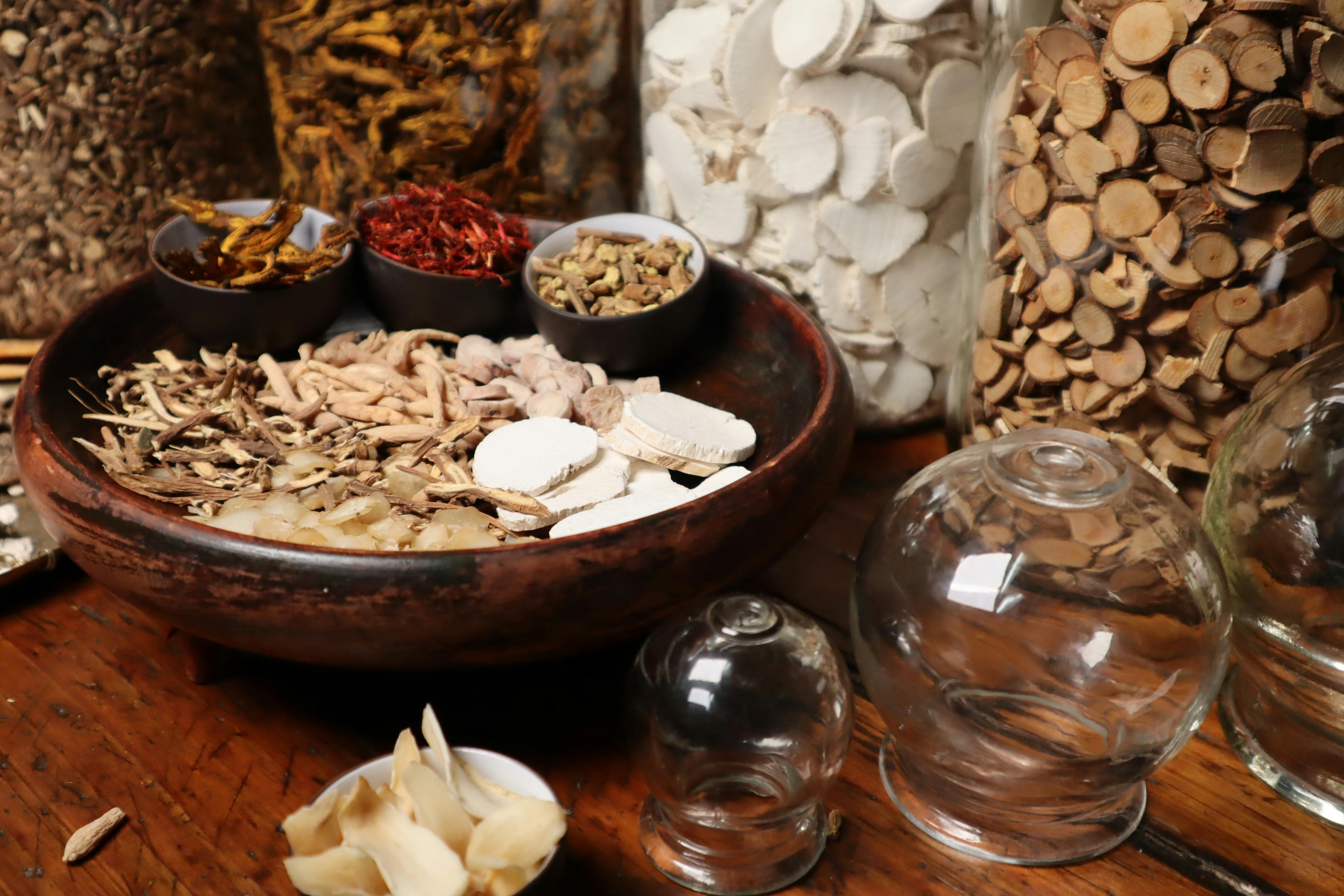
In Traditional Chinese Medicine and naturopathic practice, a significant proportion of services are collected directly from patients – either because the treatment is not covered by health insurance or because supplementary insurance only covers part of it. A terminal, Tap to Pay on an Android smartphone, or a payment link are the three practical solutions for Swiss solo practices.
This guide explains which services are collected directly in TCM and naturopathic practices, what EMR/ASCA recognition means for payment flow, and which solution fits a solo practice.
1. EMR, ASCA, and Health Insurers: What is Paid Where?
In Swiss complementary medicine, whether a treatment is covered by health insurance depends on two factors: the therapy method and the recognition of the therapist. The most important accreditation registers are EMR (Erfahrungsmedizinisches Register) and ASCA (Swiss Foundation for Complementary Medicine). Many supplementary insurance policies from Swiss health insurers reimburse treatments provided by EMR- or ASCA-recognised therapists – but not all, and not fully.
Mandatory basic health insurance (KVG) covers complementary medicine only to a very limited extent: acupuncture has been covered under KVG again since 2017, but only if performed by a doctor with a recognised specialist qualification. Non-medical acupuncturists, TCM therapists, and naturopaths therefore bill almost exclusively via supplementary insurance or directly to patients.
In practice, this means: a significant portion of revenue must be collected directly during the session. Those who only accept cash or TWINT transfers restrict themselves unnecessarily – especially with patients without supplementary insurance who bear the full amount themselves.
Service Type | Payment | Who Collects Directly |
Acupuncture (non-medical) | Supplementary insurance or self-payer | Therapist directly |
TCM herbal medicine | Almost always self-payer | Therapist directly |
Tuina massage | Supplementary insurance or self-payer | Therapist directly |
Naturopathy (non-KVG) | Supplementary insurance or self-payer | Therapist directly |
Acupuncture (medical) | Covered under KVG | Via insurance |
2. Typical Amount Ranges and Payment Volumes
In Swiss TCM and naturopathic practices, session fees typically range between EUR 100 and EUR 200 per treatment, depending on the therapy method, duration, and region. Initial consultations with a detailed anamnesis are often charged higher (EUR 150 to EUR 250). Herbal prescriptions are billed separately and, depending on the quantity, range between EUR 20 and EUR 80 per prescription.
A solo practitioner conducting 15 to 20 sessions per week and collecting EUR 130 per session reaches a monthly direct turnover of EUR 7'800 to EUR 10'400. At this volume, the choice of payment provider makes a noticeable difference – not only in transaction fees, but also in administrative overhead from open receivables.
3. Terminal, Tap to Pay, or Payment Link: What Fits a Solo Practice?
POS Terminal at the Reception Desk
A stationary POS terminal is suitable for practices with a reception area. Patients pay directly after the session. The N910 Pro, Nexgo N6, or N86 from Payrexx are available for EUR 25/month rental – in the InStore plan without a monthly fee, or in the Omnichannel Standard and Premium plans. The terminal accepts cards, TWINT, Apple Pay, Google Pay, and Samsung Pay.
Tap to Pay on an Android Smartphone
Tap to Pay turns an NFC-enabled Android smartphone (Android 8.1 or higher) into a payment terminal – without dedicated hardware. The Payrexx Tap to Pay app is installed on the Android device and connected to the account. Ideal for practices without a reception area or when the therapist prefers to collect payment directly in the treatment room. iPhone is not supported. Tap to Pay is included in every Payrexx plan – for pure on-site payments in the free InStore plan (cards 1.65% + EUR 0.15, TWINT 1.30%). With the Better Fees add-on (EUR 9/month), the same fees apply as on the Lector de tarjetas: debit 0.95% + EUR 0.15, credit 1.25% + EUR 0.15, TWINT 1.25%.
Payment Link After the Session
A payment link is created in the Payrexx Dashboard and sent to the patient via SMS or WhatsApp after the treatment. The patient pays on their smartphone. Particularly useful when the exact amount is only determined after the session – for example, if additional herbs are prescribed. Payment links work across all plans including Free. Online fees for TWINT: Standard 1.25% + EUR 0.18, for cards: Standard 1.65% + EUR 0.18.
Solution | Suitable For | Plan Requirement | TWINT Possible |
POS terminal (N910 Pro, N6, or N86) | Practice with reception | InStore plan | Yes |
Tap to Pay Android | Without reception, flexible | InStore plan | Yes |
Payment Link | Variable amounts, post-session | Free plan | Yes |
QR Pay (static) | Supplementary, very simple | Free plan | Yes |
4. TWINT as the Standard Method in Complementary Practices
TWINT is especially widespread in Swiss complementary practices – many patients pay via TWINT transfer anyway. The difference compared to a professional TWINT setup via a PSP: incoming payments can be tracked in a structured way, refunds are possible, and all transactions land in the same Dashboard as card payments. The TWINT fee via Tap to Pay or terminal is 1.30% in the InStore plan (1.25% with Better Fees) without a fixed fee – for a session of EUR 130, that is EUR 1.69 or EUR 1.63 respectively.
A static QR code via Payrexx QR Pay (Free plan) costs 1.25% + EUR 0.30 per transaction and can be placed as a counter display in the practice or laminated on the treatment table. Patients enter the amount themselves and confirm. Ideal as a complementary solution or when no device is at hand.
5. Herbal Medicine and Supplementary Services: Separate Invoicing
TCM herbal prescriptions, moxa treatments, or specific diagnostic tools are often billed separately and are rarely covered by health insurance. A payment link with the specific amount sent by the therapist via WhatsApp after the session is recommended here. Patients can then pay using TWINT, card, or mobile wallets – even after they have already left the practice.
For practices that regularly prescribe herbs: A Payrexx Page with standard packages (e.g., 4-week herbal treatment EUR 60, 8-week EUR 110) saves time and eliminates the need to create individual links for each prescription.
6. Accounting: Separating Insurance-Covered and Non-Covered Services
For accounting and VAT reporting, cleanly separating supplementary insurance billings and direct payments is important. Complementary medicine services by recognised therapists are generally exempt from VAT (Art. 21 para. 2 item 3 MWSTG). Herbal products and dietary supplements, on the other hand, may be subject to VAT – this should be clarified with the accountant.
In the Payrexx Dashboard, all transactions can be assigned a booking text and exported as CSV. This allows for a clean allocation: session fee (VAT-exempt) vs. herbal product (potentially subject to VAT). Recommendation: Consistently use one booking text per transaction – e.g., 'Acupuncture', 'Herbs', 'Initial consultation'.
7. Cost Comparison: What Pays Off at What Turnover?
Solution | Monthly Fixed Costs | Fee EUR 130 TWINT | Fee EUR 130 Debit | Break-even vs. Free |
Payrexx InStore + Tap to Pay | EUR 0 | EUR 1.69 (1.30%) | EUR 2.30 (1.65%+0.15) | – |
Payrexx InStore + Better Fees + Tap to Pay | EUR 9 | EUR 1.63 (1.25%) | EUR 1.39 (0.95%+0.15) | from ~EUR 1'300/month |
Payrexx InStore + Better Fees + Terminal | EUR 9 + EUR 25* | EUR 1.63 (POS) | EUR 1.39 (POS) | Terminal with receipt printer |
SumUp (without subscription) | EUR 0 | Not available | EUR 1.95 (1.50%) | – |
* Terminal rental EUR 25/month (N910 Pro, Nexgo N6, or N86). As of: October 2026.
Checklist: Setting Up Card Payments in a TCM and Naturopathic Practice
Clarify which services you collect directly: session fee, herbal prescriptions, initial consultations
Decide between Tap to Pay (Android), POS terminal, or payment link – or a combination
Set up TWINT as a payment method – standard in Swiss complementary practice
Create a static QR Pay code for the practice as a simple complementary solution
Use payment links for variable amounts (herbs, supplementary services after the session)
Define a standard booking text: e.g., 'Acupuncture', 'Herbs', 'Initial consultation'
Check with your accountant which services are subject to VAT
Inform patients about the new payment options upon appointment confirmation
Payrexx offers TCM and naturopathic practices Tap to Pay, Payment Links, QR Pay, and POS Terminal from a single account – with TWINT, debit card, credit card, and mobile wallets without separate contracts. The InStore plan with Tap to Pay (on-site) and the Free plan with payment links (online) provide a complete setup without fixed costs for solo practices with manageable transaction volumes; those who want both in one account choose Omni Standard (EUR 19/month).
Frequently asked questions about card payments in TCM and natural healing practices
Which payment methods should a TCM practice offer at a minimum?
TWINT and debit card (Visa/Mastercard) are the minimum. TWINT is standard for Swiss patients, debit card for everyone who does not use TWINT.
View detailed response
As an EMR-recognized therapist, do I have to offer card payment?
No, there is no legal obligation. However, it is a matter of professionalism and significantly reduces outstanding items for direct payments.
View detailed response
Does Tap to Pay on iPhone work for TCM therapists?
No. Payrexx Tap to Pay is currently only available for Android devices (Android 8.1+, NFC). iPhone is not supported.
View detailed response
How high are the TWINT fees for a EUR 130 session price?
Via Tap to Pay or POS terminal: 1.30 % = EUR 1.69 (InStore) or 1.25 % = EUR 1.63 (Better Fees), no fixed fee. Via Payment Link Standard: 1.25 % + EUR 0.18 = EUR 1.81. Via QR Pay (Free plan): 1.25 % + EUR 0.30 = EUR 1.93. As of: October 2026.
View detailed response
Can I also have treatment series paid in advance with Payrexx?
Yes. Payment Links or Payrexx Pages are suitable for advance serial payments. You create a link with the serial amount and send it before the first session.
View detailed response
How do I separate cash register and self-payer shares in accounting?
Set a standard booking text in the Payrexx Dashboard: e.g. 'acupuncture self-payer' vs. 'acupuncture co-payment supplementary insurance'. All transactions can be exported as a CSV file.
View detailed response